How Nafas began.
It did not begin as a method. It began as a son flying home, and a question he could not put down afterward.
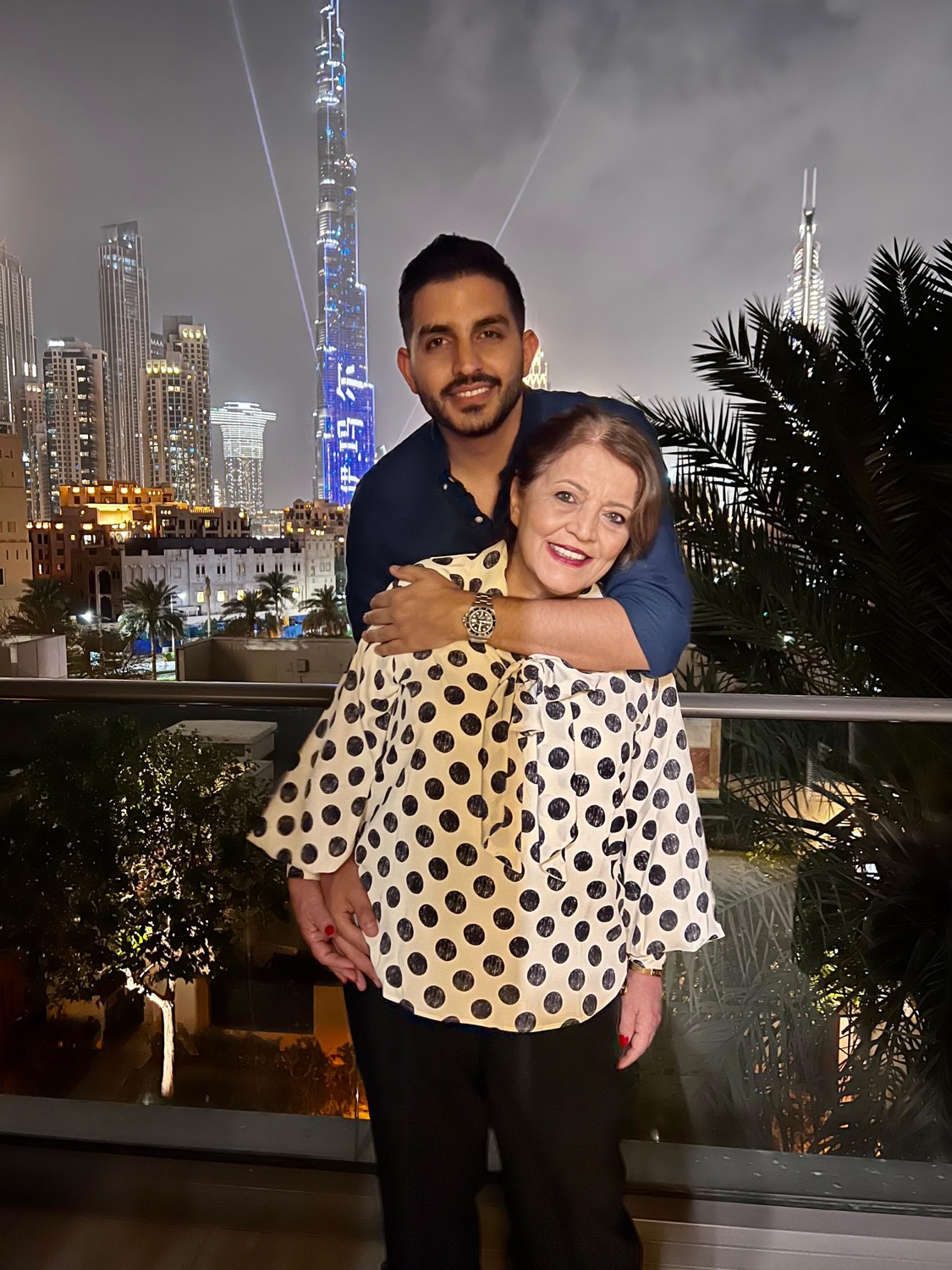
A phone call, and a flight home.
For more than ten years I was an engineer, the last of them at Tesla. Comfortable, secure, and quietly unfulfilling. Then came the call. My mother, in Iran, Stage 4 cancer. I dropped everything and flew home.
I had four months with her. She passed away in my arms. Grief does not arrive politely, and it did not leave when the world expected it to.
In the silence after, a question.
In the stillness that followed, meditation cracked something open. I became obsessed with one question I could not put down: why do we suffer, and who are we underneath it? I read, I sat, I searched, far past the point that was comfortable.
What I kept finding was not a technique. It was a place. A part of us that is least at war with life, that already knows the way home, even when the rest of us has forgotten.
Leaving the golden handcuffs.
I left a career most people would have held onto, working for one of the most famous companies in the world, to follow that question wherever it led. Not because the work was easy to leave, but because the question had become the more honest thing. That search became Nafas.
The part of us that already knows the way home.
What I needed, made into a practice.
Nafas means breath. Breath is the bridge back to ourselves, from reacting to life toward consciously taking part in it. The Signal Method is the practice I built from that search: a warm, plainspoken way to hear your own center and return to it a little faster each time. The compass is already inside you. Nafas only helps you hear it.
I am Amir, and this is the work of my life.
See the methodWhere are you, really?
A short, honest assessment. Fourteen questions, a few quiet minutes. Hope first, always.
Take the assessment